
- Your cart is empty
- Continue Shopping
Preventing travel complications: how to protect your health before, during, and after traveling.
- Prevention and well-being
- Posted on
-
by farmbert
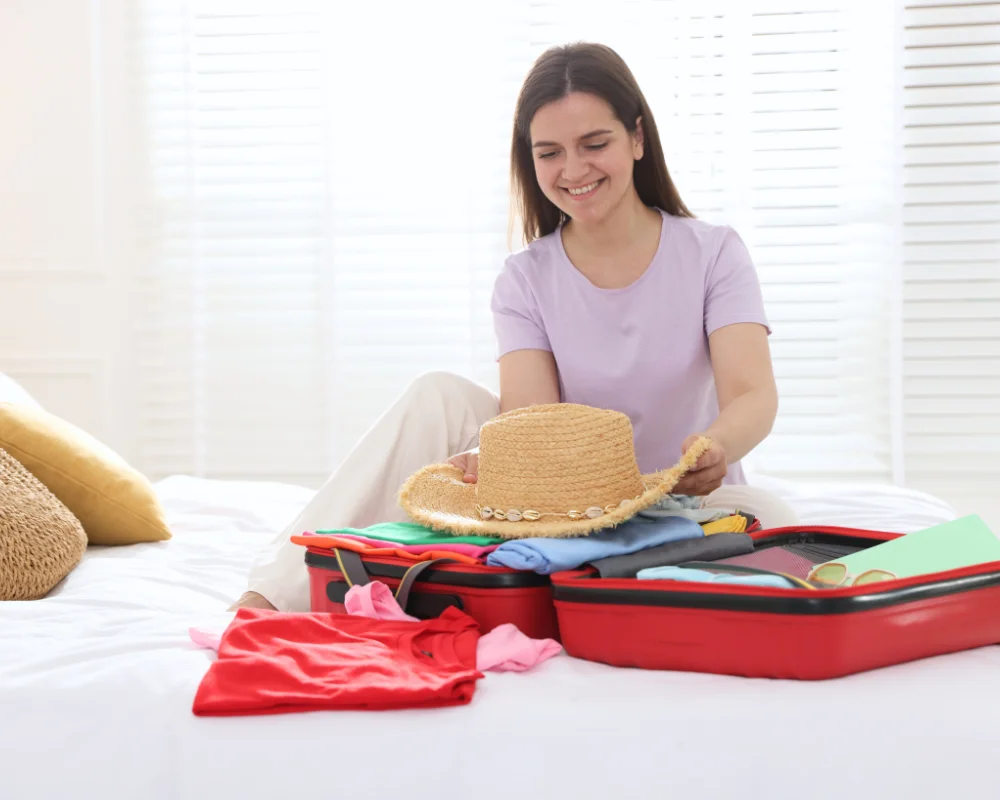
Travelling allows you to rest, work, discover new places or visit family members. However, a change in environment, diet, climate, altitude or time zone can affect your health, even during a short trip within Portugal.
The most common problems include motion sickness, dehydration, sunburn, bowel changes, respiratory infections, muscle pain and the worsening of existing health conditions. In tropical destinations or places with different sanitary conditions, additional risks may arise in connection with food, water, insects and infectious diseases.
Most of these complications can be prevented or reduced through adequate preparation. Planning should take into account the destination, the length of the stay, the means of transport, the planned activities, age, health status and usual medication.
Safety note: these recommendations are general and do not replace a medical or pharmaceutical assessment or a travel health consultation. Pregnant women, children, older people, immunocompromised individuals and people with chronic conditions should obtain personalised advice before departure.
Before travelling: prepare your health in advance
Assess your health and the destination
Before booking or starting a trip, make sure that your health is compatible with the itinerary and the planned activities. Air travel, hiking at altitude, a cruise or a trip to a tropical region involve different requirements.
Arrange a medical appointment before travelling if you have an unstable chronic condition, have recently undergone surgery, have a high-risk pregnancy, respiratory or cardiovascular limitations, reduced mobility, or require oxygen, medical devices or medicines subject to special controls.
A travel health consultation is particularly important for tropical destinations, prolonged stays, rural areas, places with active outbreaks or countries that require vaccination certificates. In Portugal, the National Health Service recommends arranging this consultation ideally one to two months before travelling, allowing enough time to administer vaccines and organise preventive measures. Even when little time remains before departure, the consultation may still be useful.
Check vaccinations and health requirements
Make sure that the vaccines included in the Portuguese National Vaccination Programme are up to date. Depending on the destination, other vaccines, such as the yellow fever vaccine, may be recommended or mandatory. Some requirements also depend on the countries in which you have a stopover.
Recommendations change according to the epidemiological situation. Consult official sources and do not rely solely on old information, online forums or the experiences of other travellers.
Organise insurance, documents and contact details
The European Health Insurance Card facilitates access to necessary healthcare during a temporary stay in countries within the European Economic Area and other covered territories. However, it does not necessarily replace travel insurance, particularly when private care, medical transport or repatriation is required.
Keep the following in both physical and digital formats:
- Identification document;
- European Health Insurance Card, where applicable;
- Insurance policy and contact details;
- Up-to-date medical prescriptions;
- Medical report, preferably in English;
- List of medical conditions, allergies and medicines using their international non-proprietary names;
- Contact details for your doctor, pharmacy and a close contact;
- International Certificate of Vaccination, when required.
Which medicines and products should you take?
Take enough of your usual medicines for the entire stay and add a small reserve in case of delays, cancellations or missed connections. Check the expiry dates as well.
Do not stop treatments or change medication schedules on your own initiative. When crossing several time zones, medicines such as insulin, anticoagulants or antiepileptic medicines may require an individual transition plan. A healthcare professional should establish this plan before the trip.
Travel health kit
The contents should be adapted to the destination and the traveller’s profile. A basic kit may include:
- Usual medication and the corresponding prescriptions;
- Supplies for minor injuries, such as plasters, gauze dressings and antiseptic;
- Thermometer;
- Oral rehydration solution;
- Broad-spectrum sunscreen and lip protection;
- Insect repellent suitable for the destination and the traveller’s age;
- A product to relieve insect bites, following professional advice;
- Face masks, hand sanitiser and wipes;
- Specific products for known allergies, diabetes or other conditions;
- Medicines for occasional use that have previously been approved by a doctor or pharmacist.
Avoid turning the kit into a “portable pharmacy”. Antibiotics, anticoagulants, sedatives and other prescription medicines should only be taken or used when prescribed for a specific situation. The Portuguese National Health Service also provides general guidance on preparing a traveller’s health kit.
How to transport and store medicines correctly
Whenever possible, keep medicines in their original packaging, together with the label and patient information leaflet. This precaution makes identification easier, reduces errors and may help during customs checks.
When travelling by air, carry essential medicines in your hand luggage. This reduces the risk of treatment being interrupted if your hold luggage is delayed or lost.
Liquid, injectable and ophthalmic medicines, as well as some vaccines, may qualify for exemptions from cabin liquid restrictions. Although European rules allow essential medicines in quantities greater than 100 ml, you may be asked to provide further information or undergo a separate inspection. Always check the guidelines issued by the airline, airport and destination country.
For needles, syringes, insulin pens, pumps, sensors or other devices, carry medical documentation explaining why they are needed, even when this is not formally required.
Medicines that require refrigeration
Read the patient information leaflet to determine whether the medicine must remain between 2°C and 8°C or whether it can be kept temporarily at room temperature. Use an appropriate insulated case without placing the medicine directly on ice or ice packs, as freezing can also damage it.
Never leave medicines inside a parked vehicle, exposed to sunlight or close to heat sources. If you are unsure about a change in temperature, appearance or consistency, do not use the medicine before speaking to a pharmacist.
Common health problems during travel
| Problem | How to reduce the risk | Warning signs |
|---|---|---|
| Dehydration and heat | Drink water regularly, seek shade, wear lightweight clothing and reduce physical effort during the hottest hours | Confusion, fainting, very hot skin, severe weakness or inability to drink |
| Diarrhoea and vomiting | Drink safe water, wash your hands and avoid raw or undercooked food | Blood in the stools, high fever, severe pain, dehydration or persistent symptoms |
| Motion sickness | Look at a fixed point, choose a more stable area, eat light meals and avoid alcohol | Repeated vomiting, severe headache, neurological changes or unusual symptoms |
| Respiratory infections | Hand hygiene, respiratory etiquette and a mask in very crowded or poorly ventilated spaces | Shortness of breath, chest pain, confusion or rapid deterioration |
| Insect bites and allergies | Insect repellent, long clothing and identification of known allergens | Facial swelling, difficulty breathing, dizziness or a widespread reaction |
| Altitude-related problems | Ascend gradually, allow time for adaptation and avoid excessive effort at first | Shortness of breath at rest, confusion, difficulty walking or worsening symptoms |
| Urinary tract infections | Stay hydrated, do not delay going to the toilet and maintain appropriate hygiene | Fever, lower back pain, blood in the urine or symptoms during pregnancy |
| Pain and stiffness | Adjust your posture, take breaks and move your joints and muscles | Severe pain, loss of strength, persistent numbness or swelling on one side |
Heat, sun and dehydration
Drink water throughout the day, even before you feel thirsty, particularly in hot weather, during physical activity or if you have vomiting or diarrhoea. Older people, children and people with diabetes or heart or respiratory conditions are more vulnerable to the effects of heat.
Avoid intense sun exposure. Wear a hat, sunglasses with ultraviolet protection, suitable clothing and broad-spectrum sunscreen. The World Health Organization recommends sun protection when the ultraviolet index is 3 or above.
Some medicines can increase sensitivity to sunlight. Consult the patient information leaflet and ask a pharmacist for advice if you take antibiotics, diuretics, retinoids or other medicines associated with photosensitivity.
Motion sickness, tiredness and jet lag
When travelling by car, coach or boat, choose a place where movement is felt less strongly, keep your eyes on the horizon, seek fresh air and avoid very heavy meals or alcohol.
Motion sickness medicines are not suitable for everyone, and some cause drowsiness. This effect is particularly relevant for people who drive, operate machinery or take other sedative medicines. Ask for advice before using them.
Jet lag is a temporary sleep disturbance caused by a rapid change in time zone. During the first few days, try to adapt your meals, light exposure and sleeping schedule to the destination. Avoid using sedatives without professional assessment.
Insect bites and respiratory infections
In areas where mosquitoes can transmit dengue, chikungunya, malaria or other diseases, use insect repellent according to the instructions, wear clothing that covers your arms and legs, and use appropriate protection in your accommodation. These measures should be applied during the day and at night, depending on the type of insect present at the destination.
In crowded terminals, aircraft, trains, coaches or boats, wash or sanitise your hands and avoid close contact with people who appear unwell. A mask may provide additional protection in crowded or poorly ventilated indoor spaces, particularly for people at increased risk of severe illness.
Food, water and the prevention of traveller’s diarrhoea
Choose bottled water with an intact seal, boiled water or treated water when the safety of the public water supply cannot be guaranteed. Also use safe water to brush your teeth and avoid ice from unknown sources.
Choose food that has been thoroughly cooked and is served hot. Avoid raw or undercooked meat, fish, seafood or eggs, unpasteurised milk, salads washed with unsafe water and fruit that has already been peeled by someone else. Wash your hands before eating and after using the toilet.
In cases of diarrhoea or vomiting, the priority is to replace fluids and mineral salts. Children, older people, pregnant women and people with chronic conditions may become dehydrated more quickly.
Do not use antibiotics on your own initiative. The choice depends on the severity of the illness, the destination, the likely infectious agent and local antimicrobial resistance. Unnecessary use can cause adverse effects, alter the microbiota and encourage colonisation by resistant bacteria.
Seek medical assistance if there is blood in the stools, a high fever, severe abdominal pain, vomiting that prevents hydration, a marked reduction in urination, confusion or persistent symptoms.
Chronic conditions and specific needs
People with diabetes should carry their medication, administration equipment, sensors, testing strips, foods for correcting low blood glucose and medical documentation. Insulin should not be placed in hold luggage or in direct contact with ice.
People with asthma, lung disease or heart disease should confirm that their condition is controlled and determine whether they need specific measures for flying, altitude or physical exertion. Immunocompromised people may be at greater risk of severe infections and require an individual assessment of the destination and recommended vaccinations.
Pregnant women, babies, children, older people and travellers with reduced mobility should consider accessibility, breaks, food, temperature control, proximity to medical care and adequate rest periods.
When travelling to high-altitude destinations, people with heart or respiratory disease, sleep apnoea or previous oxygenation problems should consult a doctor with experience in this area. A gradual ascent is essential. Do not continue ascending if symptoms develop, and descend if they become worse.
After the trip: when to seek advice
After returning home, seek medical assistance if you experience:
- Fever, particularly after travelling to a tropical region;
- Persistent diarrhoea, blood in the stools or repeated vomiting;
- A skin rash or symptoms following insect bites;
- Difficulty breathing or chest pain;
- Pain or swelling in one leg;
- Confusion, severe weakness or fainting;
- Worsening of a chronic condition;
- Symptoms that appear days or weeks after the trip.
Always tell the healthcare professional which countries you visited, the dates of travel, the activities undertaken, the food consumed, any insect bites, contact with animals, medical care received and medicines purchased abroad. Some travel-related illnesses may only become apparent after returning home.
Checklist for preparing for a healthy trip
- Confirm your health status and the suitability of the trip.
- Check vaccinations, outbreaks and entry requirements.
- Arrange a travel health consultation, where applicable.
- Request prescriptions and an up-to-date medical report.
- Calculate the amount of medication required and include an additional reserve.
- Check the rules for medicines and medical devices at the destination.
- Read the patient information leaflets and check storage temperatures.
- Prepare a health kit according to the destination.
- Take out insurance and obtain a European Health Insurance Card.
- Save emergency and healthcare service contact details.
- Plan breaks, hydration and movement during transport.
- Decide in advance how medication schedules will be adjusted to the time zone.
In conclusion, healthy travel does not depend on taking a large number of products. It depends on identifying risks, continuing treatments, storing medicines correctly, preventing dehydration, choosing safe food and water, and recognising warning signs.
Prepare your medication in advance, read the patient information leaflets and check the health requirements of the destination. If you have questions, seek advice from a pharmacist or arrange a travel health consultation.
Are you preparing for a trip and unsure which medicines or health products to pack? Speak to the Farmácia Aberta team and request personalised pharmaceutical advice.
Frequently Asked Questions
1. Can I take prescription medication to another country?
In many cases, yes. However, the rules vary between countries, and some substances are prohibited or require authorization. Carry the prescription, a medical report, and the medications in their original packaging. Confirm the rules with the embassy, consulate, or health authority of your destination.
2. How should I transport medication on an airplane?
Pack essential medications in your carry-on baggage, inside their original packaging. Separate liquids and devices to facilitate inspection. Confirm airline and airport regulations in advance, especially when carrying syringes, needles, or volumes exceeding 100ml.
3. How do I store medications that need to be refrigerated?
Use an appropriate insulated container and follow the temperature indicated in the leaflet. Avoid direct contact with ice and never freeze the medication. Check with the airline if refrigeration is available on board, as this service is not always available.
4. Is it necessary to take aspirin before a long trip?
No. Acetylsalicylic acid should not be used on one’s own initiative to prevent thrombosis while traveling. People with risk factors should speak with their doctor about appropriate measures, which may include mobility, exercise, or compression stockings.
5. When should I schedule a traveler's health appointment?
Ideally, book one to two months before departure. Book it especially for tropical destinations, countries with mandatory vaccinations, extended stays, adventure trips, or when there is pregnancy, immunosuppression, chronic illness, or regular medication.
Bibliographic References
- Portuguese National Health Service 24. Traveller’s Health Consultation. Updated on 31 March 2025 View source
- Portuguese National Health Service 24. European Health Insurance Card. Updated on 16 May 2025. View source
- INFARMED, I.P. Medicines and Travel Abroad. Information updated in July 2026.. View source
- INFARMED, I.P. Medicines and Heat. View source
- World Health Organization. Travel and health. View source
- World Health Organization. A guide on safe food for travellers. View source
- World Health Organization. Ultraviolet radiation. View source
- Centers for Disease Control and Prevention. Travelers’ Diarrhea — CDC Yellow Book 2026. Updated on 24 March 2026. View source
- Centers for Disease Control and Prevention. Deep Vein Thrombosis and Pulmonary Embolism — CDC Yellow Book 2026. Updated on 23 April 2025. View source
- Centers for Disease Control and Prevention. Traveling Abroad with Medicine. View source
- Centers for Disease Control and Prevention. High-Altitude Travel and Altitude Illness — CDC Yellow Book 2026. Updated on 23 April 2025. View source
- European Centre for Disease Prevention and Control. Enjoying the summer safely: health risks to keep in mind. Published on 6 July 2026. View source
- National Civil Aviation Authority. Medication: Transporting Liquid Medicines, Aerosols and Gels. Updated on 25 November 2024. View source
- European Union — Your Europe. Luggage restrictions: medicines and liquids. View source


