- Your cart is empty
- Continue Shopping
Phytoestrogens in menopause: are they worth using?
- Women's health
- Posted on
-
by farmbert
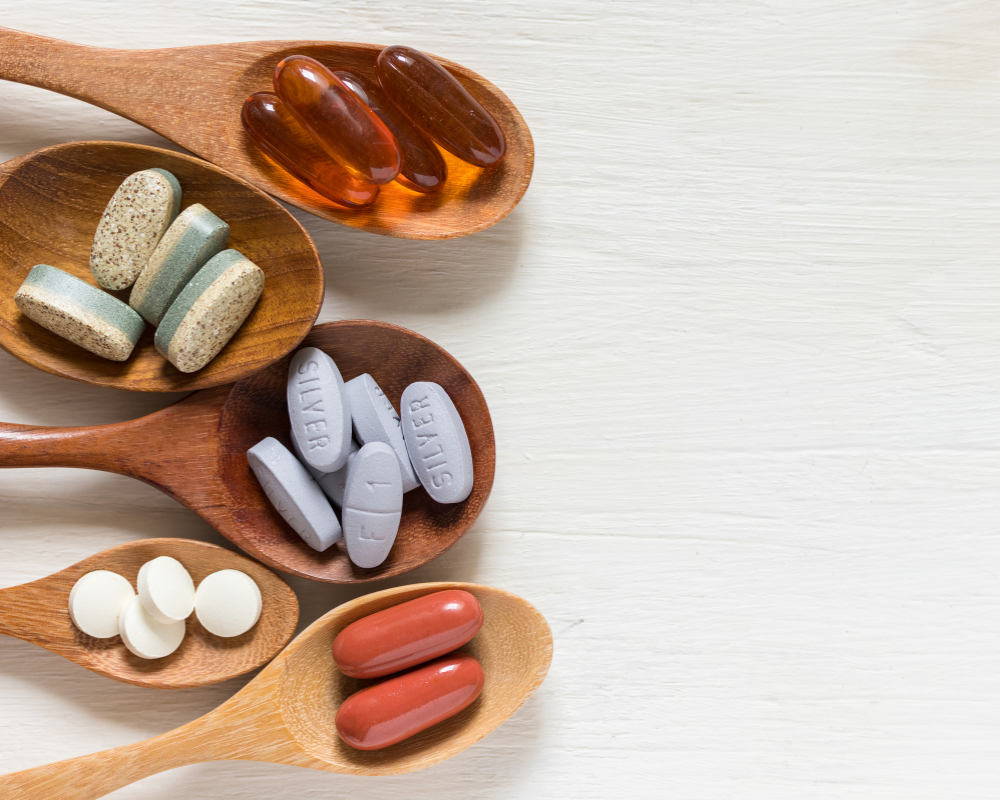
Hot flushes appear without warning. Sleep becomes lighter. The skin and mucous membranes feel drier. At times, tiredness and mood changes make everyday life more demanding.
Menopause is not an illness. It is a natural stage in a woman’s life. Even so, its symptoms can affect well-being, work, relationships and sleep quality.
It is in this context that many women first hear about phytoestrogens. They are found in certain foods and in several menopause supplements. But what exactly are they? Can they really help? And are they suitable for every woman?
Phytoestrogens may relieve some symptoms in certain women. However, their effect tends to be mild and varies considerably from person to person. Before starting a supplement, it is important to understand its potential benefits, limitations and precautions.
What are phytoestrogens?
Phytoestrogens are naturally occurring plant compounds.
Their structure has some similarities to that of oestrogens, hormones whose levels decrease during menopause. This similarity allows them to interact with certain oestrogen receptors in the body.
Despite their name, phytoestrogens are not human hormones. They also do not replace the oestrogens naturally produced by the body.
Their action is much weaker and may vary depending on:
the type of phytoestrogen;
the amount consumed;
the tissue in which it acts;
the gut microbiota;
each woman’s individual characteristics.
This variability helps explain why some women notice an improvement while others do not experience any difference.
What types of phytoestrogens are there?
There are several groups of phytoestrogens. Isoflavones are the most widely studied in relation to menopause.
Soya isoflavones
The best-known isoflavones are genistein and daidzein.
They are mainly found in soya and soya-based foods, such as:
tofu;
tempeh;
soya drinks;
edamame;
soya flour.
Many menopause supplements contain concentrated extracts of soya isoflavones.
Lignans
Lignans are found in several plant-based foods, including:
flaxseeds;
sesame seeds;
wholegrain cereals;
certain fruits;
certain vegetables.
After consumption, they are converted by gut bacteria into compounds that the body can use.
Coumestans
Coumestrol belongs to this group.
It can be found in red clover, alfalfa sprouts and certain sprouted legumes.
Red clover is included in several menopause supplements. However, its effects on hot flushes are inconsistent.
Which foods contain phytoestrogens?
Phytoestrogens are part of a varied diet rich in plant-based foods.
The main sources include:
soya and soya-based foods;
chickpeas;
beans;
lentils;
flaxseeds;
sesame seeds;
wholegrain cereals;
peanuts;
certain fruits and vegetables.
Including these foods in your diet can offer several nutritional benefits. They provide protein, fibre, vitamins and minerals.
However, there is an important difference between foods and supplements.
A food contains small amounts of several nutrients. A supplement may contain a concentrated extract with a much higher dose of a specific compound.
For this reason, eating tofu or adding flaxseed to breakfast is not the same as taking isoflavone capsules.
Do phytoestrogens help with hot flushes?
This is one of the most frequently asked questions.
Some women experience a slight reduction in hot flushes after taking soya isoflavones. Others notice no changes.
In general, phytoestrogens may help with mild symptoms. However, they do not usually produce a substantial or immediate improvement.
When there is a benefit, it may involve a small reduction in the number of hot flushes experienced each day.
The results depend on several factors:
the type of extract;
the dose;
the amount of genistein;
the length of use;
absorption capacity;
the gut microbiota.
For this reason, two products that appear similar may produce different results.
Phytoestrogens should not be seen as a direct substitute for menopausal hormone therapy. Hormone therapy remains the most effective option for many women with moderate or severe vasomotor symptoms.
Why do they not work in the same way for every woman?
The gut microbiota may play an important role.
Certain gut bacteria convert daidzein into a compound called equol. Equol has a greater affinity for certain oestrogen receptors.
Not every woman can produce equol. This means that two people may take the same product and respond differently.
Diet, genetics, gut health and other individual factors may also influence the response.
This is one of the reasons why there is no supplement that is universally effective for every woman.
Can they help with vaginal dryness?
Some studies have identified a small improvement in vaginal dryness with the use of phytoestrogens.
Even so, the effect may not be sufficient when symptoms are persistent or severe.
Vaginal dryness can cause:
burning;
irritation;
daily discomfort;
pain during sexual intercourse;
increased sensitivity in the intimate area.
Several options are available to relieve these symptoms. Vaginal moisturisers and lubricants can help in many situations. Some women may need treatments prescribed by a doctor.
Pain, bleeding, discharge or symptoms that do not improve should be assessed by a healthcare professional.
Do phytoestrogens help you sleep better?
Night sweats and hot flushes can interrupt sleep. When these symptoms improve, some women may be able to rest more comfortably.
However, phytoestrogens have not shown a consistent effect on insomnia.
It is also important to understand the cause of sleep difficulties. Anxiety, stress, sleep apnoea, pain, caffeine consumption and certain medicines can affect rest.
Speak to a healthcare professional if you wake frequently during the night or experience severe tiredness during the day.
Do they benefit bone health?
The reduction in oestrogen levels can accelerate bone loss after menopause.
Some isoflavones have been associated with small improvements in bone mineral density. However, it has not yet been demonstrated that they reduce the risk of fractures.
This means that phytoestrogens should not be used as a treatment for osteoporosis.
To protect bone health, it is important to:
consume enough calcium;
maintain adequate vitamin D levels;
practise weight-bearing exercise;
consume enough protein;
avoid smoking;
moderate alcohol consumption;
follow prescribed treatment when applicable.
The risk of osteoporosis should be assessed individually.
Are they good for the heart?
Some studies have found small improvements in cholesterol levels after the consumption of soya or isoflavones.
However, these changes do not mean that phytoestrogens prevent heart attacks or strokes.
Cardiovascular protection depends mainly on consistent habits:
a balanced diet;
regular physical activity;
blood pressure control;
cholesterol management;
diabetes control;
avoiding tobacco;
following prescribed medication.
Phytoestrogens do not replace these measures.
Are all phytoestrogen supplements the same?
No.
Supplements can differ considerably in their composition. Some contain soya isoflavones. Others include red clover, hops, black cohosh, vitamins or minerals.
They may also vary in terms of:
the total amount of isoflavones;
the proportion of genistein and daidzein;
the quality of the extract;
absorption;
the daily dose;
the combination with other substances.
The number of milligrams shown on the packaging does not always correspond to the actual amount of isoflavones.
For example, a label may indicate the total weight of the plant extract rather than the concentration of active compounds.
Before choosing a product, ask your pharmacist to help you understand its composition.
How long do they take to work?
Phytoestrogens do not usually produce a rapid effect.
When there is a response, it tends to appear gradually. You may need to use the product for several weeks before noticing a difference.
It can be useful to record:
the number of hot flushes each day;
the intensity of the symptoms;
the number of times you wake during the night;
the impact on work and well-being.
This record can help you determine whether there has been a genuine improvement.
If you do not notice any benefit after an appropriate period, review the use of the product with your doctor or pharmacist. Continuing to take a supplement that has no effect may represent an unnecessary expense.
Are phytoestrogens safe?
Phytoestrogens are generally well tolerated.
The most common unwanted effects are mild and may include:
abdominal discomfort;
a feeling of fullness;
wind;
changes in bowel habits;
headaches.
Most studies have not found significant changes in the endometrium during periods of use lasting up to two years.
However, there is still insufficient reliable information about the prolonged use of high doses.
Natural does not mean risk-free. A supplement may cause unwanted effects, interact with medicines or be unsuitable for a particular health condition.
Who should take extra precautions?
Speak to your doctor or pharmacist before starting a phytoestrogen supplement if you:
have had breast cancer;
have had endometrial cancer;
have another hormone-sensitive condition;
take tamoxifen;
take anticoagulants;
have liver disease;
use hormone therapy;
take several medicines;
have vaginal bleeding with no known cause;
are due to have surgery.
In these cases, the assessment should be individual. The type of supplement, the dose and your medical history all make a difference.
How should you choose a supplement?
Before buying a supplement, check the information on the label.
Find out:
What is the source of the extract?
How many isoflavones does it provide per daily dose?
How much genistein does it contain?
What other substances does it contain?
Are there any contraindications or warnings?
What is the recommended dose?
How long should it be used?
Avoid choosing a product based only on promotional claims.
Expressions such as “complete formula” or “female balance” do not explain the product’s composition or demonstrate that it is suitable for you.
Take a list of the medicines and supplements you already use. This will allow your pharmacist to check for possible duplication or interactions.
Food or supplements: which option makes more sense?
For most women, a varied diet should be the first step.
Soya, legumes, seeds and wholegrain cereals can form part of balanced meals. In addition to phytoestrogens, they provide other important nutrients.
A supplement may be considered when there is a specific objective. The symptoms, expectations and possible risks should be assessed beforehand.
The decision does not need to be the same for every woman.
A woman with mild hot flushes may value a small improvement. Another woman with severe symptoms and several nights of poor sleep may need a more effective approach.
When should you seek medical advice?
Seek help when symptoms have a significant effect on:
sleep;
work;
mood;
sex life;
relationships;
quality of life.
You should also seek an assessment if you experience:
very severe hot flushes;
frequent palpitations;
pelvic pain;
pain during sexual intercourse;
unexplained weight loss;
persistent vaginal symptoms;
any bleeding after menopause.
Postmenopausal bleeding means any blood loss that occurs after 12 months without a menstrual period. It should always be medically assessed.
In summary, phytoestrogens may be an option for some women with mild symptoms. Their effect is usually small and variable.
Soya isoflavones are the most widely studied. Even so, they do not replace hormone therapy when symptoms are moderate or severe.
Food should be the main source of these compounds. Supplements require greater care because they contain concentrated doses and can vary considerably in their composition.
Before starting a supplement, confirm three points:
the supplement is suitable for your health history;
there are no interactions with your medicines;
your expectations are realistic.
There is no single menopause solution that is suitable for every woman. However, it is possible to find the most appropriate option for each individual.
Speak to the Farmácia Aberta team. A pharmacist can help you understand your symptoms, assess the available products and recognise when you should seek medical support.
Please note: This article is for information purposes only. It does not replace assessment, diagnosis or follow-up care from a healthcare professional.
Frequently Asked Questions
1. Are phytoestrogens hormones?
No. They are plant compounds that can interact with estrogen receptors. Their action is much weaker than that of hormones produced by the body.
2. Do phytoestrogens make hot flashes disappear?
They may slightly reduce hot flashes in some women. They don’t usually eliminate them, and they don’t work the same way for everyone.
3. Which phytoestrogen is the most studied?
Soy isoflavones are the most studied. Genistein and daidzein are their main compounds.
4. Does red clover help with menopause?
The results are inconsistent. Some women may experience improvements, but studies do not demonstrate a clear benefit in hot flashes.
5. Does flaxseed help with menopause symptoms?
Flaxseed contains lignans and can be part of a balanced diet. However, there is not enough evidence to guarantee that it relieves hot flashes.
6. Can I obtain phytoestrogens through food?
Yes. Soybeans, tofu, tempeh, chickpeas, flax seeds, and sesame seeds are some food sources.
7. Can I take isoflavones with hormone therapy?
Do not combine the two options without medical or pharmaceutical advice. The combination may not be beneficial and may make it difficult to assess symptoms.
8. Can someone who has had breast cancer take phytoestrogens?
A diet that includes soy is not the same as a concentrated supplement. Women with a history of breast cancer should speak with their medical team before taking isoflavone supplements.
9. Do phytoestrogens cause weight gain?
There is no consistent evidence that they cause weight gain. Weight changes during menopause can have several causes.
10. How long can I take a supplement?
There is no single right duration for all women. The need for and safety of treatment should be reassessed over time with a healthcare professional.
Bibliographic References
- Committee on Practice Bulletins—Gynecology. Practice Bulletin No. 141: Management of Menopausal Symptoms. Obstetrics & Gynecology. 2014;123(1):202–216. doi:10.1097/01.AOG.0000441353.20693.78.
- Lethaby A, Marjoribanks J, Kronenberg F, Roberts H, Eden J, Brown J. Phytoestrogens for menopausal vasomotor symptoms. Cochrane Database of Systematic Reviews. 2013;(12). doi:10.1002/14651858.CD001395.pub4.
- Franco OH, Chowdhury R, Troup J, et al. Use of Plant-Based Therapies and Menopausal Symptoms: A Systematic Review and Meta-analysis. JAMA. 2016;315(23):2554–2563. doi:10.1001/jama.2016.8012.
- The North American Menopause Society Advisory Panel. The 2023 Nonhormone Therapy Position Statement of The North American Menopause Society. Menopause. 2023;30(6):573–590. doi:10.1097/GME.0000000000002200.
- Luan H, Liu Q, Guo Y, Fan H, Sileng A, Lin J. Effects of soy isoflavones on menopausal symptoms in perimenopausal women: a systematic review and meta-analysis. PeerJ. 2025;13. doi:10.7717/peerj.19715.
- Viscardi G, Back S, Ahmed A, et al. Effect of Soy Isoflavones on Measures of Estrogenicity: A Systematic Review and Meta-Analysis of Randomized Controlled Trials. Advances in Nutrition. 2025;16(1):100327. doi:10.1016/j.advnut.2024.100327.


