
- Your cart is empty
- Continue Shopping
Sunscreen for skin with melasma
- Dermatology
- Posted on
-
by farmbert
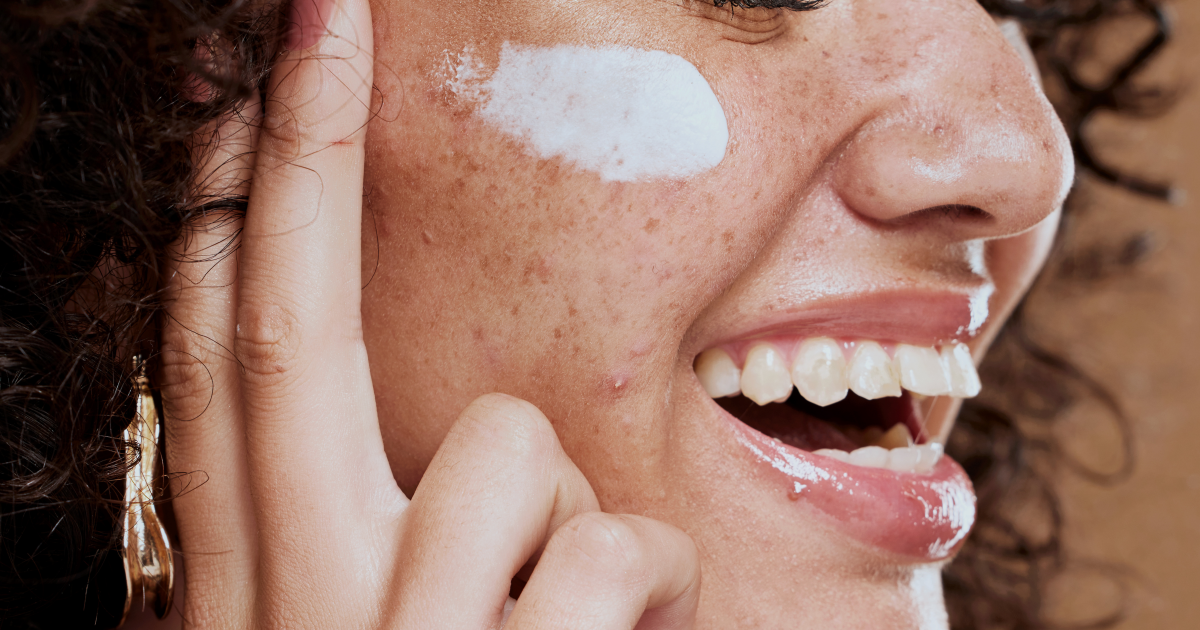
Need to know which is the best sunscreen for skin with melasma? In this article, we’ll discuss what melasma is, how to prevent skin blemishes, and share with you the main characteristics that a sunscreen for skin with melasma should have!
What is melasma?
Melasma is a skin condition characterized by the appearance of dark spots, mainly in areas exposed to the sun. This chronic hypermelanosis is usually more localized on the face and symmetrical.
The spots are caused by sun exposure without adequate protection. However, in addition to solar radiation, there are other factors associated with its appearance. According to many authors, hormonal and genetic factors are important. Although it is an aesthetic alteration without other associated symptoms, melasma can cause significant psychosocial discomfort. Therefore, it impairs quality of life and affects self-esteem.
Thus, melasma is a common chronic hyperpigmentation that mainly affects the face and is characterized by the presence of brownish spots on the skin.
80 Does melasma affect all skin types equally?
Melasma affects all racial types with varying incidence. However, it is more common in women. Furthermore, phototypes III to V and individuals residing in areas with high incidence of ultraviolet radiation tend to be more susceptible.
Therefore, sun exposure, family history, and the presence of hormonal changes favor the appearance of spots on the skin’s surface. Some of the associated hormonal factors are pregnancy, hormonal contraception, and menopause. Several authors indicate that the use of certain cosmetics and the ingestion of photosensitizing medications are also associated with the appearance of spots.
In short, the exact cause of melasma is still unknown, but it is considered that it may involve multiple factors.


How to prevent melasma?
To prevent melasma, it’s essential to use sunscreen daily. This should at least protect against UVA and UVB rays. In addition, it’s important to avoid excessive sun exposure, especially during peak sun hours, between 10 am and 4 pm. Besides these precautions, you should always wear a wide-brimmed hat. Currently, there are sun-protective clothing options that you should wear on areas more prone to blemishes (décolletage, arms, and hands). However, none of these precautions are more important than the role of sunscreen in preventing melasma.
How do I know which sunscreen is best for skin with melasma?
Choosing the right sunscreen for skin with melasma is a crucial step in preventing and avoiding the worsening of existing spots. Therefore, it’s recommended that you choose a product with a texture suitable for your skin type. If you have oily skin, you should use a non-comedogenic sunscreen (one that doesn’t clog pores or cause blackheads and pimples). Opt for gel or lotion formulas.
Conversely, if your skin is dry, choose a sunscreen for melasma with a creamier texture and more emollient active ingredients.
What is the recommended Sun Protection Factor for skin with blemishes?
For skin with blemishes, it is recommended to use a sunscreen with a high Sun Protection Factor (SPF). The SPF indicates the sunscreen’s ability to protect against ultraviolet B (UVB) rays. These are responsible for causing sunburn. In addition, it is important to choose a sunscreen that also offers protection against ultraviolet A (UVA) rays. UVA rays are associated with skin aging and the development of blemishes.
The usual recommendation for skin without a tendency to melasma is to use a sunscreen with an SPF of 30 or higher. However, if the skin already has dark spots associated with melasma, post-inflammatory hyperpigmentation, or other forms of hyperpigmentation, it is advisable to always opt for a sunscreen with a higher SPF: SPF 50+.
Recently, sunscreens have emerged on the market with a combination of active ingredients that offer broad-spectrum photoprotection. These are a good alternative, as they help reduce melanin production induced by UVB, UVA, Visible Light, and IR-A radiation. These products are an excellent choice for skin with melasma.
In short, it’s important to choose a broad-spectrum sunscreen, meaning it offers protection against at least UVA and UVB rays. Only then will you be able to prevent existing spots from worsening and avoid the appearance of new hyperpigmented areas.
Can I choose a sunscreen with anti-blemish ingredients?
When choosing a sunscreen for skin with melasma, you can opt for a formula containing ingredients that help lighten existing spots. Among the most commonly used active ingredients are niacinamide, ellagic acid, Thiamidol©, Photo Reverse©, RetinSphere©, vitamin C, kojic acid, azelaic acid, phytic acid, and others. In addition to these substances, there are products with glycyrrhetinic acid, which helps in the skin’s own DNA repair process.
In short, the combination of these substances with sunscreens helps to reduce the intensity of spots and even out skin tone.
Are there tinted sunscreens for skin with melasma?
Another important tip for those with melasma is to choose a tinted sunscreen! These help even out skin tone and conceal blemishes. Therefore, they have the advantage of boosting self-esteem and reducing the need to use corrective makeup to camouflage the spots.
How should I use sunscreen for skin with melasma?
Remember that sunscreen should be applied generously to all exposed areas of skin, about 15 to 30 minutes before sun exposure. Furthermore, it should be reapplied every two hours. Obviously, you should apply it more frequently if there is excessive sweating or after contact with water. However, it is important to combine the use of sunscreen with the sun protection measures already mentioned, such as wearing hats, sunglasses, and clothing that protects the skin.
Likewise, it is crucial to remember that sunscreen should be applied in sufficient quantity. For effective application, use an amount equivalent to a teaspoon for the face or two fingers’ width of product.
In short, sunscreen is a fundamental ally in the prevention and treatment of melasma. By choosing a product suitable for your skin and using it daily, it is possible to prevent the appearance of new spots and reduce the intensity of existing ones. Remember to follow the usage and application recommendations to obtain the best results.
Besides sun protection, how else can I treat melasma?
Melasma treatment, as we’ve already seen, includes the use of depigmenting products. However, your dermatologist may recommend chemical peels and laser treatment.
It’s important to consult a healthcare professional before applying any melasma product. A poor choice of products can worsen the condition!
In short, protecting your skin from the sun is essential to avoid damage and prevent problems like melasma. The Open Pharmacy team is online to help you select the best sunscreen for skin with melasma and all the products you need for your skin!


